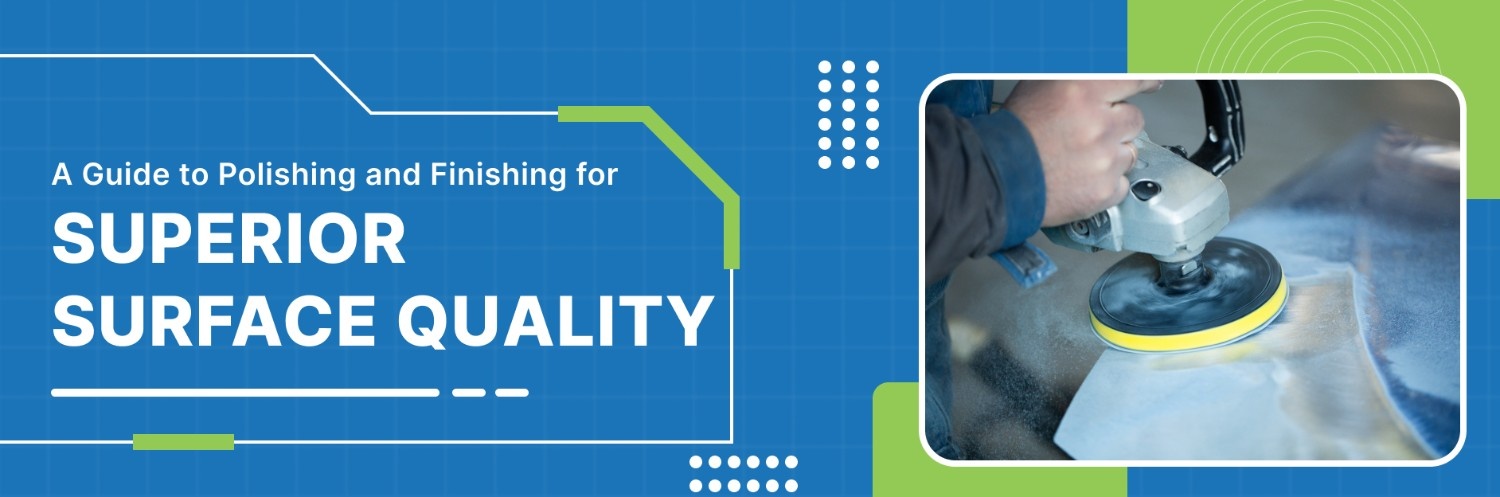
Polishing and finishing are critical manufacturing processes that directly influence a component’s surface quality, functional performance, and long-term durability. By reducing surface roughness, removing defects, and improving dimensional accuracy, these processes ensure that parts meet both esthetic and engineering requirements.
Across manufacturing, effective surface finishing enhances fit, reduces friction, and improves resistance to wear and corrosion. In the automotive and aerospace industries, polished surfaces contribute to improved fatigue life, aerodynamic efficiency, and reliable component interaction under extreme conditions.
Within medical applications, precise finishing is essential to achieve biocompatibility, prevent bacterial adhesion, and ensure patient safety, particularly for implants and surgical instruments.
Overall, polishing and finishing are not merely cosmetic steps; they are vital to optimizing performance, extending service life, and maintaining safety and reliability across high-precision industries.
Key Highlights
Surface finishing directly impacts performance by reducing roughness, minimizing friction, improving wear resistance, and enhancing corrosion protection across high-precision industries.
Polishing and finishing serve distinct purposes; polishing refines smoothness and removes defects, while finishing enhances protection, appearance, and regulatory compliance.
Multiple techniques exist for different needs, from mechanical polishing and buffing to anodizing, coating, electro-polishing, grinding, and blasting, each chosen based on material, geometry, and application.
Material-specific considerations are crucial, as metals, plastics, ceramics, composites, and powder-metal parts respond differently to heat, abrasives, and chemical treatments.
Sterling Sintered Technologies ensures superior results through precision powder-metal components, advanced finishing services, improved surface durability, and ISO-certified quality processes.
Understanding Polishing vs. Finishing

Although the terms polishing and finishing are often used interchangeably, they represent distinct stages of surface treatment, each serving a specific purpose in achieving the desired surface characteristics and functional performance.
What Polishing Achieves?
Polishing is primarily focused on improving surface smoothness by removing microscopic irregularities, scratches, and machining marks. Through the use of abrasives, compounds, or mechanical action, polishing:
Reduces surface roughness to enhance precision and contact performance
Produces a reflective or high-gloss appearance
Eliminates surface defects that could initiate wear, fatigue, or corrosion
Improves friction behavior in moving or load-bearing components
Polishing is commonly required when tight tolerances, low friction, or a refined visual finish are essential.
What Finishing Focuses On?
Finishing encompasses a broader range of processes aimed at modifying or enhancing the final surface condition after primary shaping and, in some cases, polishing. Finishing emphasizes:
Controlled surface texture to meet functional or regulatory requirements
Protective properties such as corrosion resistance, hardness, or chemical stability
esthetic qualities, including color, uniformity, and matte or satin appearances
Surface treatments such as coating, anodizing, passivation, or plating
Finishing is often applied to prepare parts for service environments or to meet industry-specific standards.
When Each Process Is Required
Polishing is required when surface smoothness, reduced friction, or defect removal directly affects performance, such as in precision mechanical parts, optical components, or medical implants.
Finishing is required when the surface must be protected, standardized, or visually enhanced for its intended application, such as automotive panels, aerospace components, or consumer products.
In many applications, polishing and finishing are used together, polishing to refine the surface and finishing to protect and optimize it, ensuring both functional reliability and long-term durability.
Why Surface Finish Quality Matters
Surface finish quality plays a crucial role in determining how a component performs, lasts, and is perceived. Beyond visual appearance, the condition of a surface directly affects mechanical behavior, environmental resistance, and compliance with strict industry requirements.
a. Wear Resistance and Friction Reduction
A high-quality surface finish minimizes surface irregularities that can cause excessive friction and localized stress. Smoother surfaces:
Reduce wear between mating or moving parts
Improve efficiency by lowering frictional losses
Extend component lifespan by preventing premature surface failure
Enhance performance in high-speed or load-bearing applications
This is especially important in automotive drivetrains, aerospace mechanisms, and precision manufacturing equipment.
b. Corrosion Protection
Surface finish quality strongly influences a material’s resistance to corrosion. Rough or poorly finished surfaces can trap moisture, chemicals, and contaminants, accelerating degradation. Proper finishing:
Reduces surface porosity and crevices where corrosion can initiate
Improves the effectiveness of protective coatings or treatments
Enhances resistance to oxidation and chemical attack
In industries such as aerospace, marine, and medical manufacturing, corrosion resistance is critical for safety and reliability.
c. esthetic and Branding Considerations
Surface finish also affects how users and customers perceive a product. Consistent, high-quality finishes:
Convey precision, quality, and professionalism
Support brand identity through uniform texture, color, or gloss
Increase customer confidence and product value
In consumer-facing products and automotive exteriors, visual appeal is often as important as functional performance.
d. Compliance with Industry Standards
Many industries enforce strict surface finish requirements to ensure safety, reliability, and interoperability. High-quality surface finishing helps manufacturers:
Meet regulatory and quality standards (e.g., aerospace, medical, and automotive specifications)
Ensure repeatability and consistency across production batches
Pass inspections, certifications, and performance testing
Ultimately, surface finish quality is a key factor that connects performance, durability, appearance, and regulatory compliance, making it an essential consideration in modern engineering and manufacturing.
4 Common Polishing Techniques
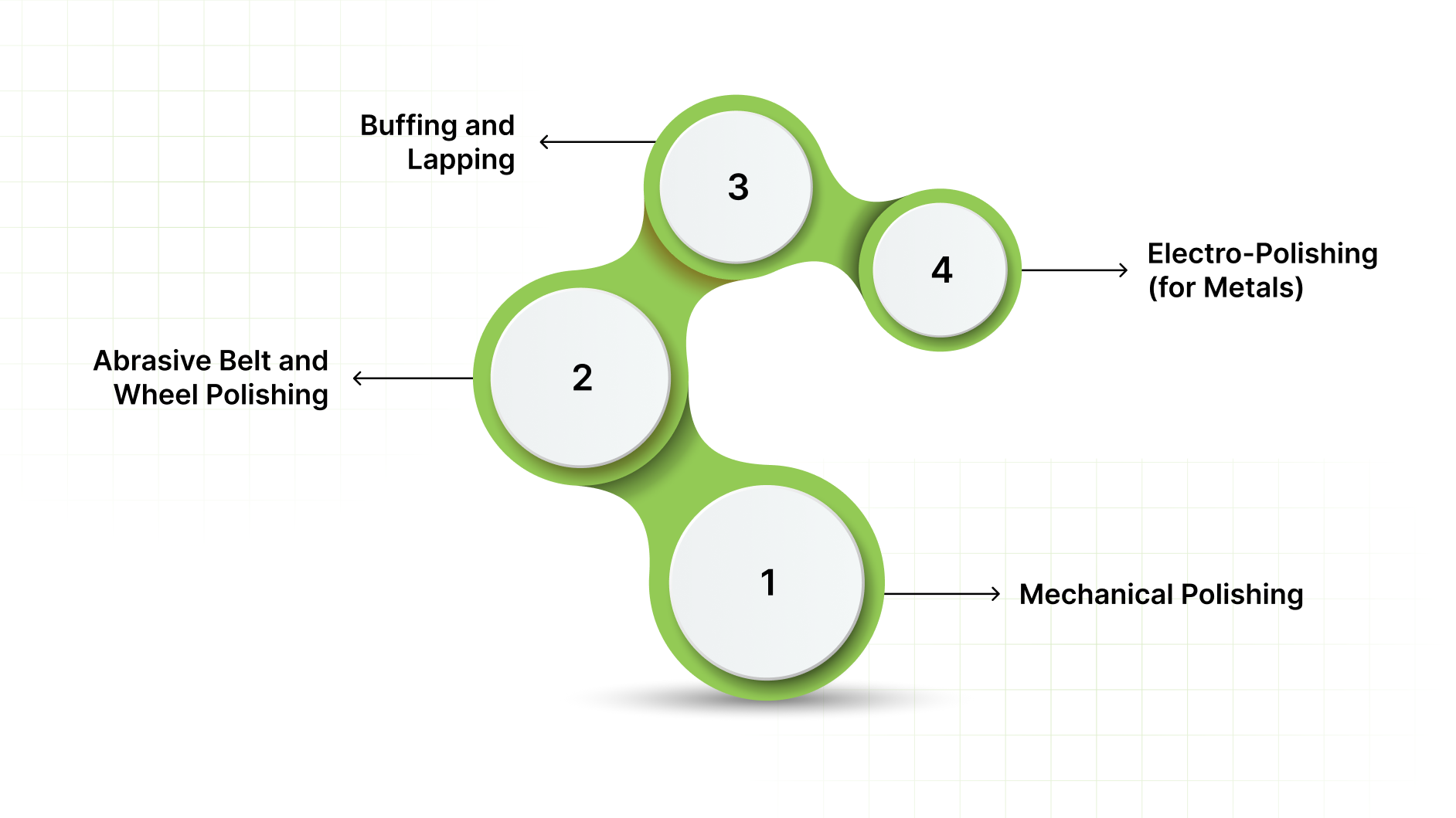
Different polishing techniques are selected based on material type, part geometry, tolerance requirements, and the desired surface finish. Each method offers distinct advantages in terms of surface quality, precision, and application suitability.
1. Mechanical Polishing
Mechanical polishing uses abrasive tools, compounds, or pads to remove surface imperfections physically. It is widely applied across metals, plastics, and composites. Key characteristics include:
Effective removal of machining marks and surface defects
Adjustable levels of smoothness depending on abrasive size and pressure
Suitable for flat, curved, and complex surfaces
This method is commonly used in general manufacturing and automotive components where controlled smoothness is required.
2. Abrasive Belt and Wheel Polishing
Abrasive belt and wheel polishing employs rotating belts or wheels coated with abrasive materials. It is ideal for high material removal and consistent finishing. Benefits include:
High efficiency for large or repetitive production runs
Uniform surface finishes across wide areas
Adaptability to different grit sizes for progressive polishing stages
This technique is frequently used for metal fabrication, structural parts, and large industrial components.
3. Buffing and Lapping
Buffing and lapping are fine polishing processes used to achieve extremely smooth or mirror-like surfaces.
Buffing uses soft wheels and fine compounds to enhance surface shine and remove minor scratches.
Lapping uses a slurry of fine abrasives between two surfaces to achieve tight tolerances and superior flatness.
These methods are commonly applied in precision engineering, optical components, and medical devices where surface accuracy is critical.
4. Electro-Polishing (for Metals)
Electro-polishing is a chemical-based process that removes material at a microscopic level using an electrolytic solution and electrical current. Unlike mechanical methods, it does not induce mechanical stress. Advantages include:
Ultra-smooth, defect-free surfaces
Improved corrosion resistance by removing surface contaminants
Enhanced cleanliness and biocompatibility
Electro-polishing is widely used for stainless steel components in aerospace, medical implants, and pharmaceutical equipment, where precision and hygiene are essential.
Each polishing technique serves a specific purpose, and in many applications, multiple methods are combined to achieve the required surface quality and performance.
4 Popular Finishing Techniques
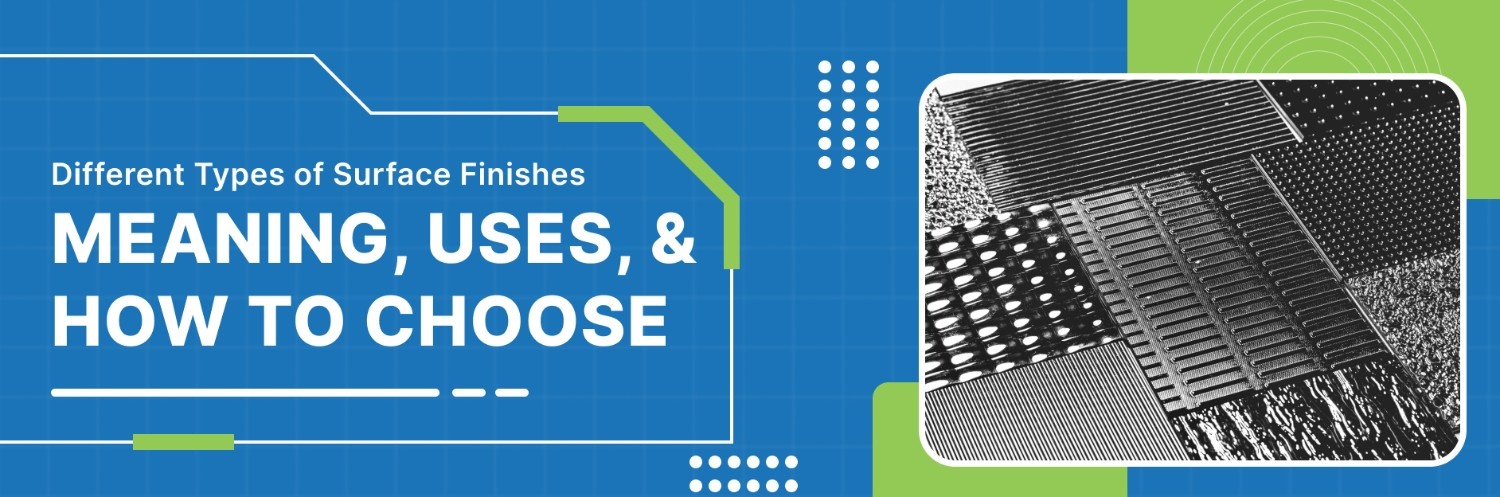
Finishing techniques are applied to enhance surface durability, improve appearance, and ensure long-term performance in demanding environments. These processes are often used after machining or polishing to prepare components for service, protection, or final assembly.
1. Grinding and Deburring
Grinding and deburring are essential finishing steps used to refine part geometry and remove unwanted material.
Grinding improves dimensional accuracy and surface uniformity by removing excess material with abrasive wheels.
Deburring eliminates sharp edges, burrs, and residual material that can cause assembly issues or safety hazards.
These techniques are critical in precision manufacturing, aerospace, and mechanical assemblies.
2. Sandblasting and Bead Blasting
Sandblasting and bead blasting use high-pressure streams of abrasive media to modify surface texture.
Sandblasting creates a roughened surface ideal for coating adhesion or industrial finishes.
Bead blasting produces a smoother, matte, or satin appearance using fine glass or ceramic beads.
These methods are commonly used for surface cleaning, texture control, and cosmetic enhancement.
3. Chemical Finishing
Chemical finishing involves controlled chemical reactions to clean, smooth, or alter surface properties without mechanical force. Common benefits include:
Uniform surface treatment across complex geometries
Removal of oxides, contaminants, and residues
Preparation of surfaces for coating or bonding
Chemical finishing is widely applied in electronics, aerospace, and medical manufacturing, where precision and consistency are required.
4. Anodizing, Coating, and Plating
These finishing processes add protective or functional layers to the surface:
Anodizing increases corrosion resistance and hardness, particularly for aluminum, while allowing color customization.
Coating (such as powder coating or paint) enhances appearance, environmental resistance, and durability.
Plating deposits a thin metal layer to improve conductivity, wear resistance, or corrosion protection.
Such treatments are essential in automotive, aerospace, consumer products, and medical devices where performance, esthetics, and longevity must coexist.
Together, these finishing techniques ensure that components not only look refined but also withstand operational and environmental demands over their service life.
Material-Specific Polishing and Finishing Considerations
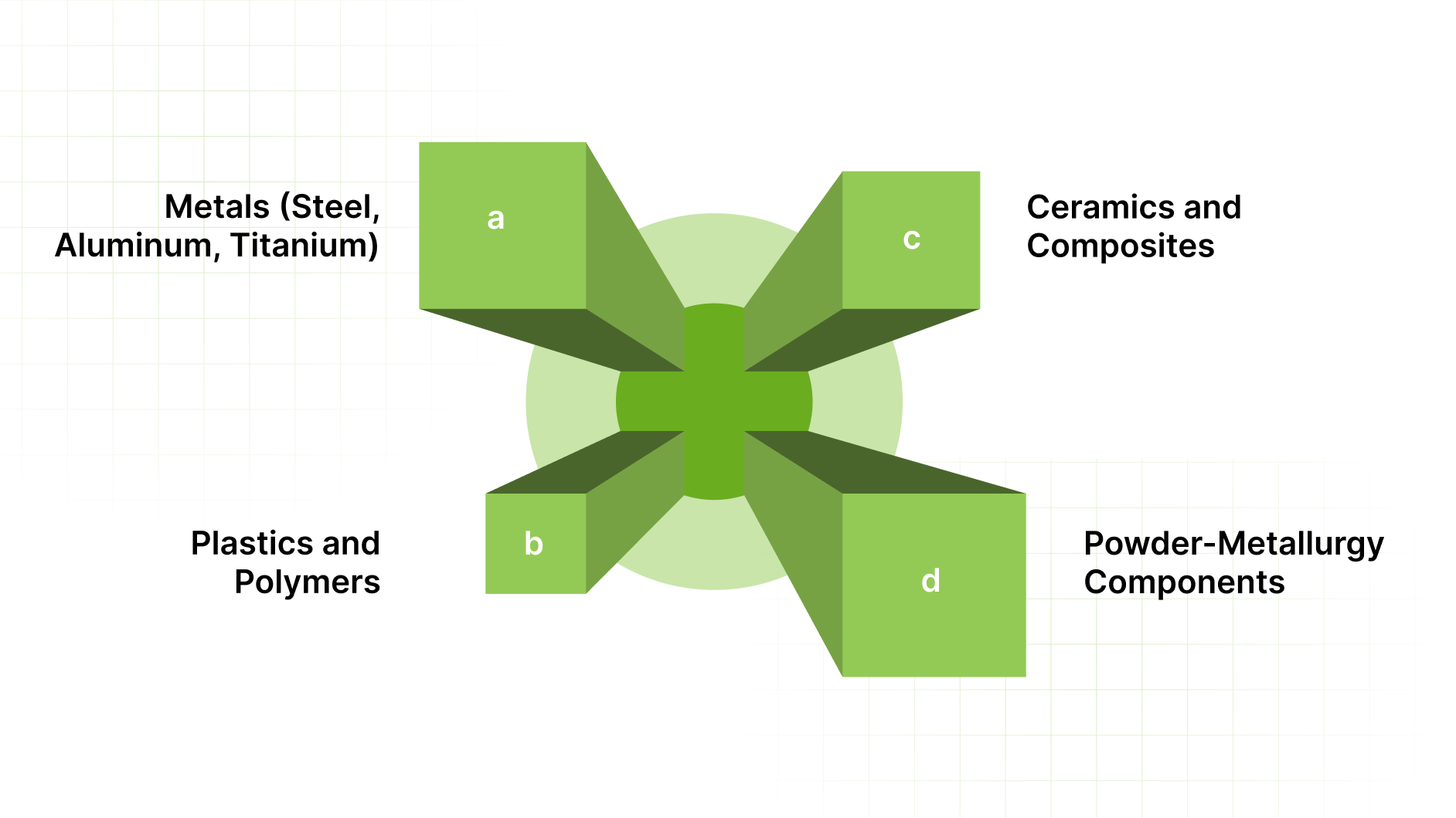
Each material responds differently to polishing and finishing processes due to its unique mechanical, thermal, and chemical properties. Selecting the appropriate technique is essential to achieve the desired surface quality without compromising structural integrity or performance.
a. Metals (Steel, Aluminum, Titanium)
Metals are among the most commonly polished and finished materials, but each type requires a tailored approach:
Steel responds well to mechanical polishing, grinding, and electro-polishing. Stainless steel, in particular, benefits from electro-polishing for improved corrosion resistance and cleanliness.
Aluminum is softer and more prone to surface damage, requiring finer abrasives and controlled pressure. Anodizing is often used after polishing to enhance corrosion resistance and appearance.
Titanium demands careful finishing due to its hardness and reactivity. Specialized polishing and chemical treatments are used to achieve smooth, biocompatible surfaces, especially in aerospace and medical applications.
Proper control of heat and abrasion is critical when working with metals to prevent distortion or surface contamination.
b. Plastics and Polymers
Plastics and polymers are sensitive to heat and mechanical stress, making polishing and finishing more delicate:
Excessive friction can cause melting, smearing, or discoloration
Fine abrasives and low-speed polishing are typically required
Vapor polishing or chemical finishing may be used to improve clarity and smoothness
These materials are commonly finished for optical clarity, reduced friction, or enhanced cosmetic appeal in consumer products and medical devices.
c. Ceramics and Composites
Ceramics and composites present unique challenges due to their hardness and brittleness:
Ceramics require diamond abrasives and precision polishing to avoid cracking or chipping
Composites need controlled finishing to prevent fiber exposure or delamination
Surface treatments are often applied to improve bonding, wear resistance, or thermal performance
These materials are widely used in aerospace, electronics, and high-performance engineering applications where surface integrity is critical.
d. Powder-Metallurgy Components
Powder-metallurgy components often have inherent surface porosity that affects finishing outcomes:
Polishing focuses on reducing surface roughness without closing functional pores
Finishing may include impregnation, coating, or plating to enhance strength and corrosion resistance
Careful process selection is required to maintain dimensional accuracy
These components are commonly used in automotive and industrial applications where cost efficiency and performance must be balanced.
Understanding material-specific behavior ensures that polishing and finishing processes deliver optimal surface quality, durability, and functional performance across diverse engineering applications.
Choosing the Right Technique for Your Application
Selecting the correct polishing or finishing technique requires balancing functional performance, visual expectations, and economic constraints. The optimal choice ensures the surface meets application demands without unnecessary complexity or cost.
Desired surface roughness (Ra values): Required Ra levels determine whether light polishing, precision lapping, or advanced finishing processes are necessary, especially for friction-sensitive or sealing surfaces.
Production volume and scalability: High-volume production favors automated and repeatable methods, while low-volume or custom parts may justify more time-intensive manual or precision techniques.
Cost vs. finish quality trade-offs: Higher-quality finishes often increase processing time and cost, making it essential to match finish level to actual performance needs rather than cosmetic preference alone.
Environmental and safety factors: Selection must consider chemical handling, waste disposal, energy consumption, and operator safety, particularly when using chemical or electro-based finishing processes.
Careful evaluation of these factors helps ensure the chosen technique delivers the required performance, appearance, and durability practically and sustainably.
Common Challenges and How to Avoid Them
Improper polishing and finishing techniques can result in surface defects, reduced performance, and inconsistent quality. The table below outlines common challenges and practical methods to prevent them.
Challenge | Cause | How to Avoid It |
|---|---|---|
Over-polishing and material loss | Excessive pressure, prolonged processing time, or overly aggressive abrasives | Use controlled polishing parameters, monitor material removal rates, and select appropriate abrasive grit sizes. |
Surface contamination | Residual compounds, oils, debris, or handling contamination | Implement proper cleaning between stages, use clean consumables, and maintain controlled work environments |
Inconsistent finish across batches | Variations in tools, operator technique, or process settings | Standardize procedures, automate critical steps, and conduct regular quality checks |
Tool wear and process control issues | Worn abrasives, poorly maintained equipment, or a lack of monitoring | Establish tool replacement schedules, calibrate equipment regularly, and track process parameters |
Addressing these challenges through process control and preventive measures ensures consistent surface quality, improved reliability, and reduced rework costs.
Quality Control and Surface Finish Measurement
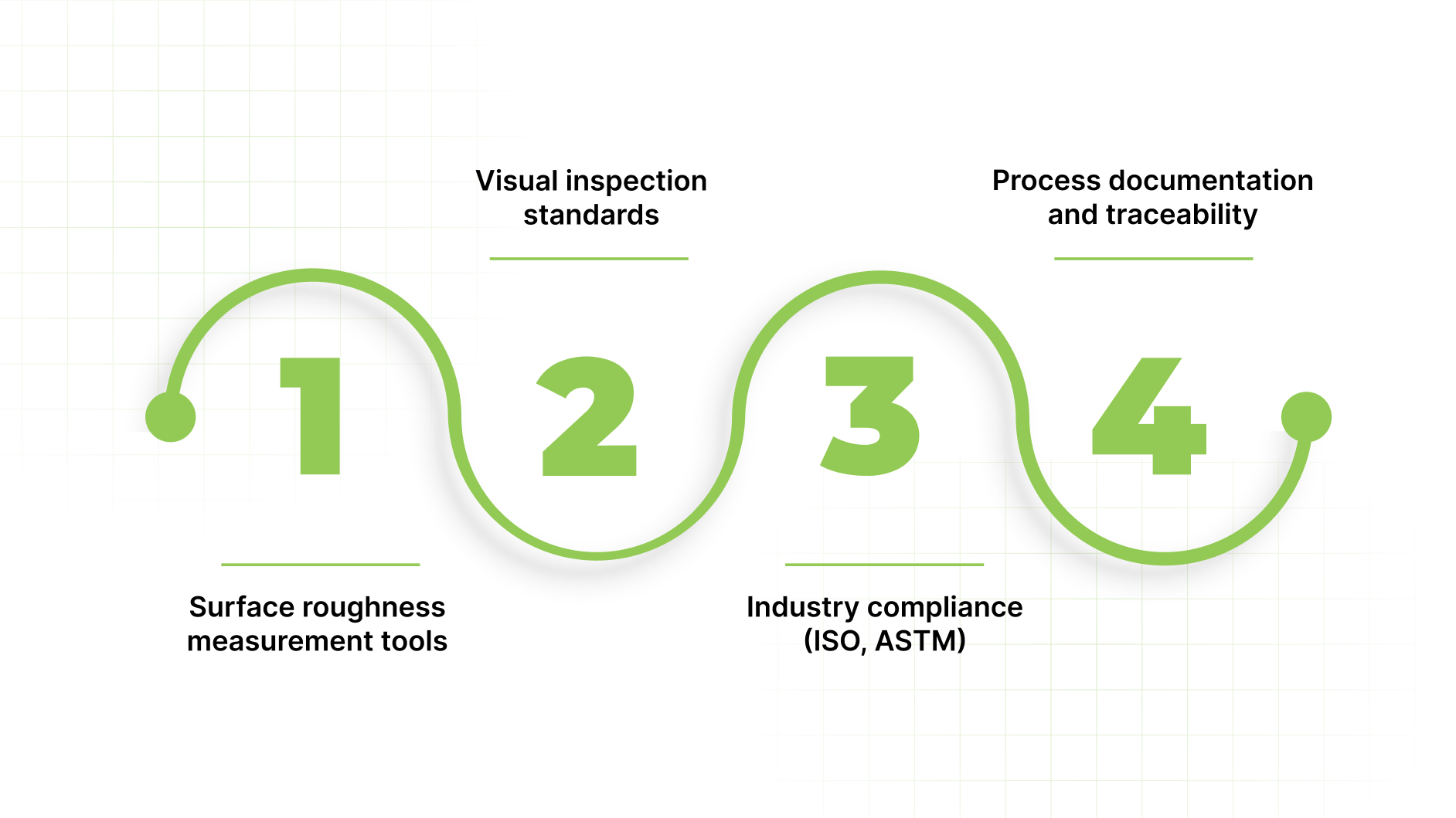
Consistency and repeatability in polishing and finishing operations rely on accurate inspection, standardized measurement methods, and disciplined process control. Effective quality control ensures surfaces meet functional, esthetic, and regulatory requirements.
Surface roughness measurement tools: Instruments such as contact profilometers and non-contact optical systems are used to measure surface roughness parameters (Ra, Rz), ensuring finishes meet specified tolerances and performance criteria.
Visual inspection standards: Controlled visual inspection under defined lighting and magnification helps identify surface defects, scratches, discoloration, or non-uniform finishes that may not be captured by numerical measurements alone.
Industry compliance (ISO, ASTM): Adhering to recognized standards ensures consistency, safety, and interoperability, particularly in aerospace, automotive, and medical applications where surface finish requirements are tightly regulated.
Process documentation and traceability: Recording process parameters, inspection results, and corrective actions enables traceability, supports audits, and helps maintain consistent quality across production batches.
A structured quality control approach minimizes variation, reduces rework, and ensures polished and finished surfaces perform reliably throughout their service life.
Best Practices for Achieving Flawless Surfaces
Small, well-controlled process improvements can make a significant difference in achieving consistently high-quality surface finishes. Adhering to best practices helps minimize defects, improve repeatability, and extend tool and equipment life.
Proper tool and abrasive selection: Choose tools and abrasive grades that match the material type and desired finish, progressing systematically from coarse to fine to avoid unnecessary surface damage.
Controlled process parameters: Maintain consistent pressure, speed, temperature, and dwell time to prevent over-polishing, uneven finishes, or material distortion.
Regular maintenance and calibration: Keep polishing and finishing equipment in optimal condition through scheduled maintenance and calibration to ensure accuracy and repeatability.
Skilled operator training: Well-trained operators understand material behavior, process limits, and inspection criteria, enabling them to detect issues early and maintain consistent surface quality.
Applying these best practices leads to improved surface integrity, reduced rework, and reliable performance across a wide range of applications.
Sterling Sintered Technologies: Supporting High-Quality Surface Finishing
Sterling Sintered Technologies provides precision powder-metal components and value-added finishing services that directly align with the principles of polishing, finishing, and surface quality discussed in this blog.
Powder metal components: Custom-engineered powder-metal parts designed for dimensional accuracy, strength, and consistent surface quality across automotive, medical, industrial, plumbing, and hardware applications.
Secondary finishing services: In-house and approved partner services, including grinding, lapping, honing, vibratory finishing, deburring, machining, plating, and coating to refine surface texture and performance.
Surface durability and protection: Finishing processes focused on improving wear resistance, corrosion protection, and long-term reliability of sintered components.
Assembly-ready products: Finished parts and sub-assemblies delivered ready for end use, reducing downstream processing and variability.
Quality and consistency: ISO 9001:2015-certified quality system supporting controlled processes, inspection, documentation, and traceability to ensure repeatable surface finishes.
Through its integrated manufacturing and finishing capabilities, Sterling Sintered Technologies demonstrates how proper surface treatment enhances performance, durability, and consistency, reinforcing the core themes of effective polishing and finishing practices.
Conclusion
Polishing and finishing play a vital role in achieving high surface quality, improved performance, and long-term durability. Selecting the right technique, based on material, application, and functional requirements, helps reduce wear, enhance corrosion resistance, meet industry standards, and improve overall appearance.
Effective surface finishing not only extends product life but also ensures consistent quality and reliable performance across industries.
For manufacturers seeking precision powder-metal components with controlled surface quality and reliable finishing solutions, Sterling Sintered Technologies offers integrated manufacturing, secondary finishing, and quality-driven processes to meet demanding performance requirements.
Contact Sterling Sintered Technologies today to discuss your application needs and discover how expert polishing and finishing solutions can enhance your product’s performance, longevity, and appearance.
Frequently Asked Questions (FAQs)
1. Can over-polishing damage components?
Yes, over-polishing can lead to excessive material removal, dimensional inaccuracies, and weakened parts. Controlled parameters and proper inspection help prevent this issue.
6. How do finishing processes improve corrosion resistance?
Finishing methods such as coating, plating, and anodizing create protective barriers that prevent moisture, chemicals, and contaminants from reaching the base material.
7. Are polishing and finishing required for powder-metal parts?
Yes, secondary finishing improves surface smoothness, reduces porosity effects, and enhances durability and performance of powder-metal components.
8. How is surface finish quality measured?
Surface quality is measured using profilometers for roughness values and visual inspection standards to detect defects and inconsistencies.
9. What industries require strict surface finish standards?
Aerospace, automotive, medical, and industrial manufacturing require strict surface finish controls to ensure safety, reliability, and compliance.
10. How can manufacturers ensure consistent surface finishes?
Consistency is achieved through standardized processes, proper tool maintenance, skilled operators, and robust quality control systems.